Changing a Small Neighborhood
Regenerating a small neighbourhood is rarely a simple task. It takes careful planning, community involvement, and long-term commitment to transform a struggling area into a thriving one. When done well, regeneration can breathe new life into places that have been overlooked for years — improving housing, boosting local economies, and strengthening the social fabric that holds communities together.
Understanding the need for change
Before any regeneration project begins, it is essential to understand why a neighbourhood has declined in the first place. Common causes include a loss of local employment, ageing infrastructure, population shifts, or years of underinvestment. Identifying the root causes helps planners and community leaders develop targeted solutions, rather than applying a one-size-fits-all approach that may not address the area's specific challenges.
Putting the community first
Successful regeneration is built on genuine community engagement. Residents are the experts on their own neighbourhood — they understand what is missing, what matters most, and what changes could make a real difference. Consulting local people early in the process, and continuing to involve them throughout, leads to better outcomes and greater long-term support for the project. Without this buy-in, even well-funded regeneration efforts can fall flat.
Investing in the right infrastructure
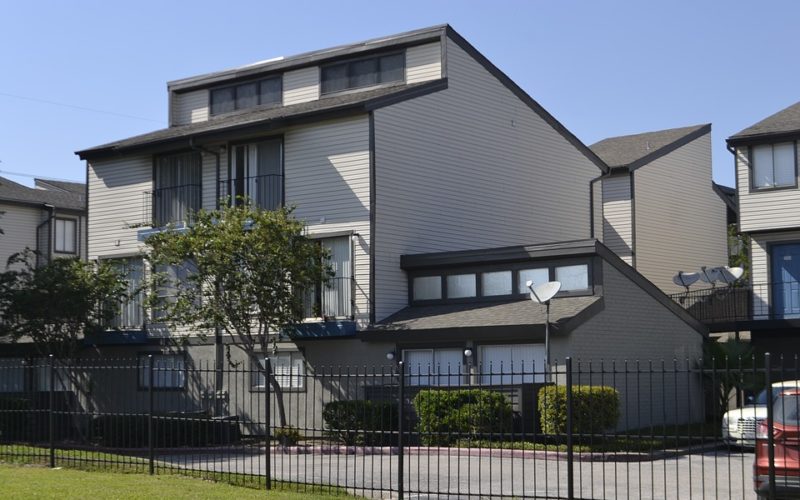
Physical improvements are often the most visible aspect of neighbourhood regeneration. Upgrading housing, improving public spaces, and enhancing transport links can quickly change how a place feels and functions. Green spaces, in particular, play a significant role in community wellbeing — research consistently shows that access to parks and natural areas improves mental and physical health. Thoughtful investment in infrastructure signals that an area is valued, which in turn attracts further private and public investment.
Supporting local businesses and employment
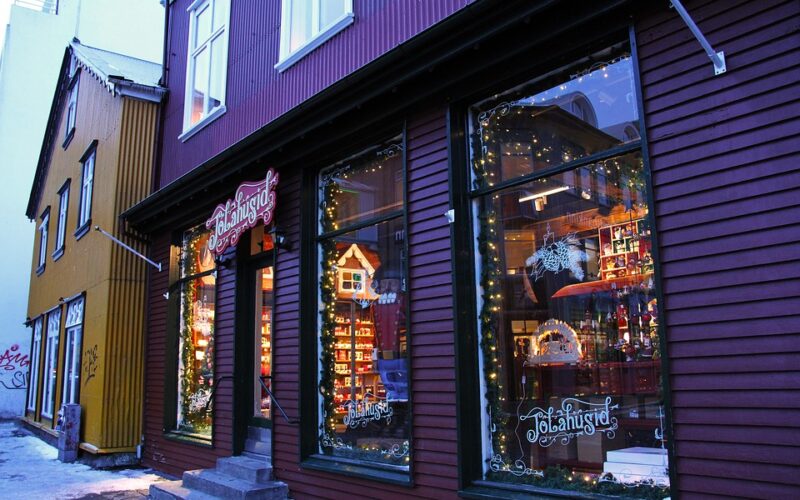
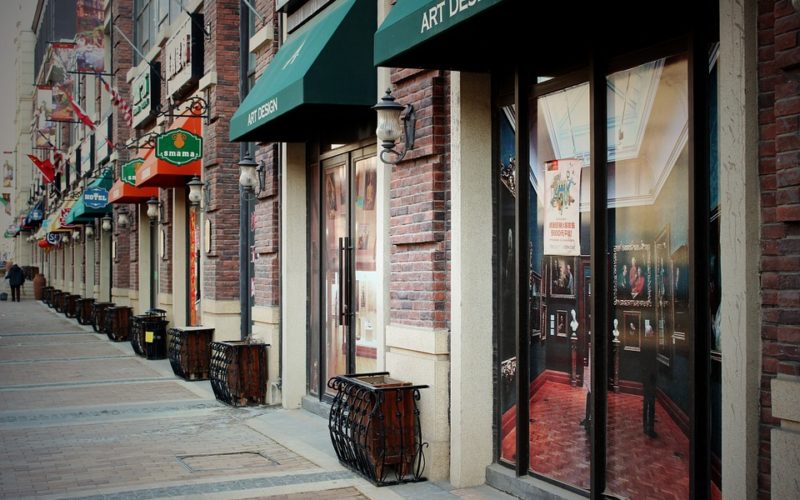
Economic regeneration goes hand in hand with physical improvements. Encouraging local entrepreneurship, attracting new businesses, and creating employment opportunities within the neighbourhood helps residents build financial stability. Empty shopfronts and commercial units can be repurposed into affordable workspaces, markets, or community enterprises — turning liabilities into assets. When people can earn a living close to where they live, neighbourhoods become more self-sustaining and resilient over time.
Preserving identity while embracing change
One of the greatest risks in regeneration is erasing the character that makes a neighbourhood unique. Gentrification — where rising property values displace existing residents — is a real and damaging consequence of poorly managed regeneration. Protecting affordable housing, celebrating local heritage, and ensuring long-standing residents benefit from improvements are all critical considerations. Change should enhance a community's identity, not replace it.
Measuring success beyond bricks and mortar
True regeneration is measured not just in new buildings or repaved streets, but in the lived experiences of the people who call the neighbourhood home. Reductions in unemployment, improvements in health outcomes, stronger community networks, and increased civic pride are all signs that regeneration is working. Keeping track of these indicators over time helps ensure that investment continues to serve the community's needs — and that the neighbourhood's recovery is lasting, not just cosmetic.